AUTORE: The Soul of the Pearl – A Conversation with Ruby Autore, Part II
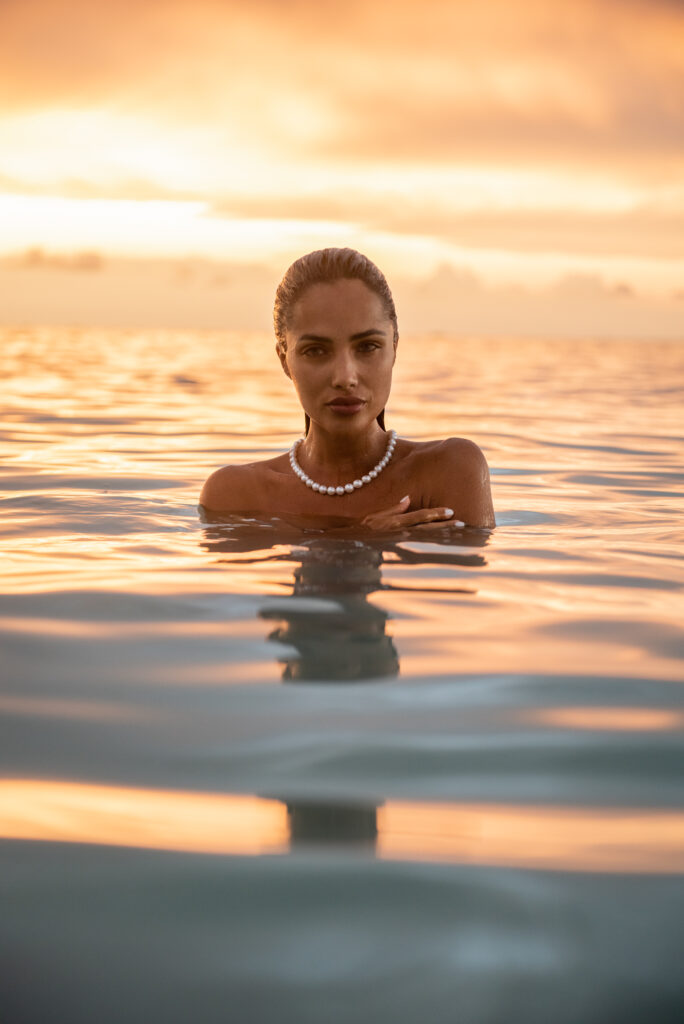
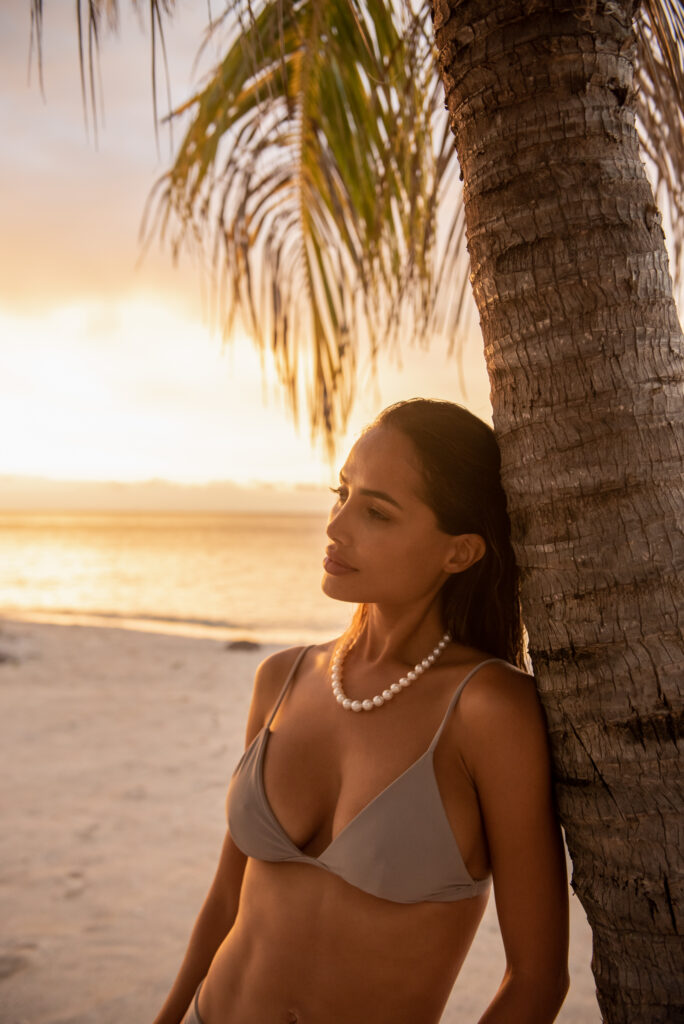
For AUTORE, the art of pearl farming is itself an expression of exceptional craftsmanship and a true “labour of love”. From the very beginning, the Australian family-owned company has followed a vertically integrated model, overseeing the entire journey of its pearls, from the water to the finished gem. The AUTORE Group has been growing, harvesting and grading its own South Sea pearls since 1991. In the second part of my conversation with Ruby Autore, we dive deeper into the farming of some of the largest, rarest and most beautiful pearls in the world. Across ten farms in Australia and Indonesia, managed by AUTORE, human knowledge and determination meet the power of nature. This is where the story of AUTORE’s spectacular pearl jewellery begins – from classic necklaces strung with perfectly round pearls to bold, unexpected designs featuring irregular baroque gems.
Read the first part of our conversation HERE.
–
AGATA JANKOWIAK: South Sea pearls are among the largest and most valuable pearls in the world. Why is that?
RUBY AUTORE: There are a few reasons. Firstly, South Sea pearls are grown in the Pinctada maxima, the largest pearl producing oyster. This allows it to produce significantly larger pearls than many other pearl species. Secondly, they take a long time to grow. Once an oyster is seeded, a South Sea pearl generally spends around two years developing inside it. During that time, the oyster deposits layer upon layer of nacre around the nucleus, which creates the depth and lustre South Sea pearls are famous for. Then there is scarcity. These oysters require very specific marine environments. Even after all that work, nature ultimately determines what comes out of the oyster. A farmer can do everything correctly and still cannot dictate that an oyster will produce a perfectly round, clean, large pearl with exceptional lustre. That unpredictability is a major part of their rarity and value.
AUTORE operates farms in both Australia and Indonesia. What are the key criteria when selecting a location for a pearl farm? What conditions must be met, and why is this particular part of the world the cradle of the most spectacular pearls?
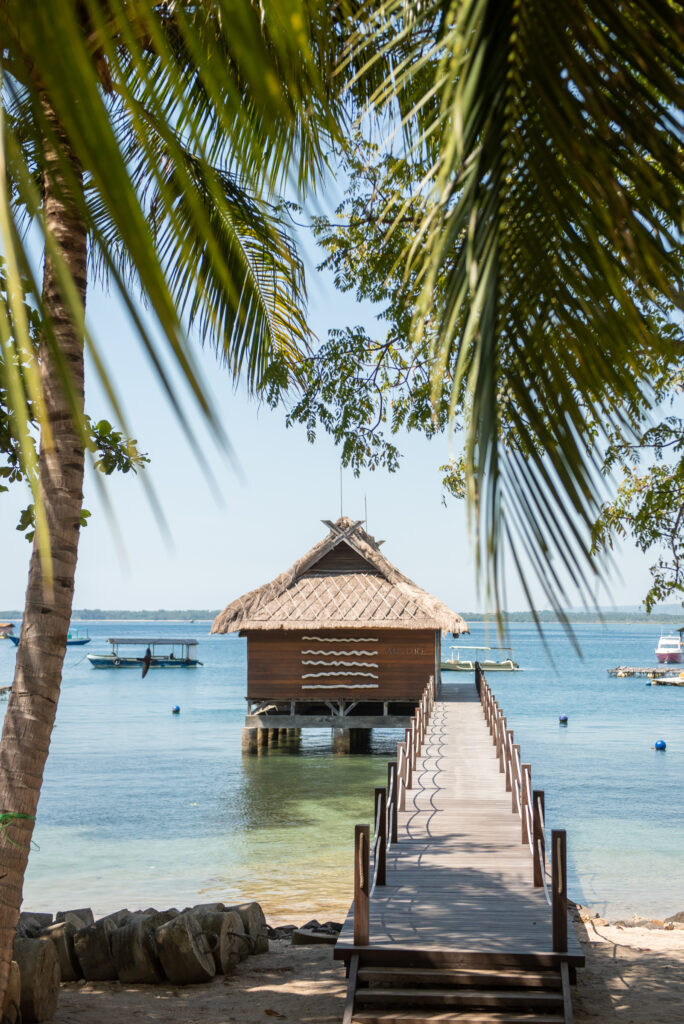
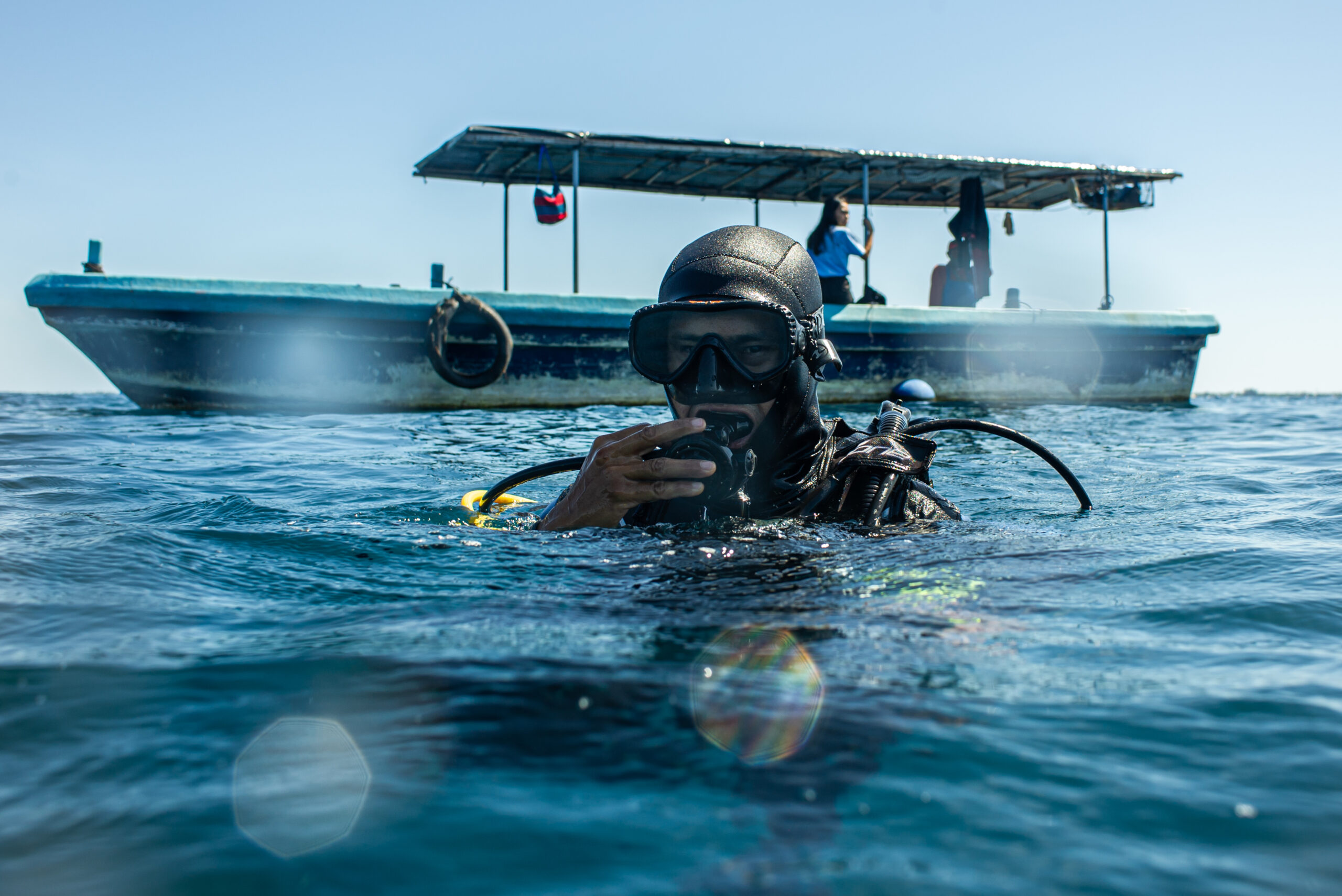
We look for pristine, nutrient rich water, suitable temperatures, healthy currents and tides, adequate food availability and an ecosystem capable of supporting the oysters over many years. The Pinctada maxima is native to this region of the world, which is why northern Australia and the Indonesian archipelago have become so important to South Sea pearl cultivation. AUTORE operates ten South Sea pearl farm sites across Australia and Indonesia, including operations around Broome and the Northern Territory in Australia, and Lombok, Sumbawa and West Java in Indonesia. Every location is slightly different, which is part of what makes pearling so fascinating. Water temperature, currents, nutrients and environmental conditions can all influence the health of the oyster and ultimately the characteristics of the pearls it produces.
How many people typically work on a single farm, and what are their roles? What does a typical day on a pearl farm look like?
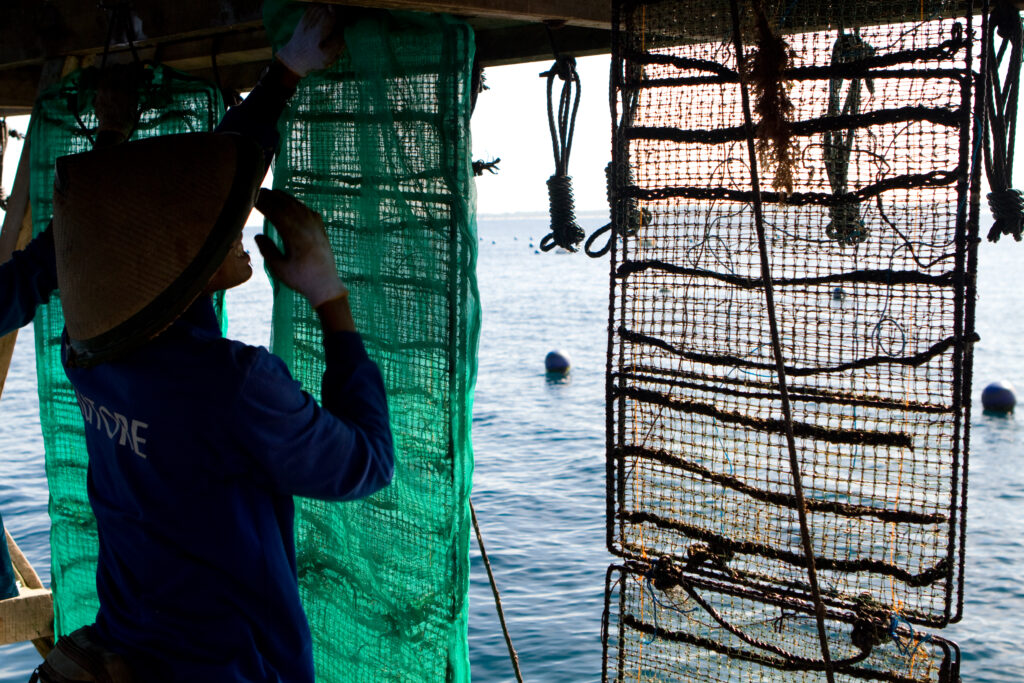
Our farms vary considerably in size and location, but pearl farming requires far more people and specialist skills than most people realise. Depending on the farm, teams can include farm managers, pearl technicians, divers, boat crews, hatchery team, marine specialists, maintenance staff and operational teams.
The work changes throughout the year depending on where the oysters are within their production cycle. Teams may be cleaning and turning shell, checking oyster health, maintaining longlines, diving, moving shell, seeding oysters or harvesting pearls.
How long does it take for a single South Sea pearl to form, from the moment the oyster is seeded to the final harvest? Which stage of this process is the most unpredictable, and which aspects can you actually control?
From seeding to harvest, a South Sea pearl generally takes around two years to grow. But the complete process is considerably longer because the oyster must first grow to maturity before it can be seeded. When you consider the oyster’s development, pearl cultivation, harvesting, grading and eventual journey into jewellery, we often describe it as a 6-7 year labour of love.
The fascinating part is that we can control many of the conditions, but we cannot control the final pearl, and unfortunately, we cannot tell an oyster to produce a perfectly round 16 millimetre pearl with flawless surface quality and incredible lustre. You can choose an extraordinary location, care for the oyster and control some elements of the process, but nature still has the final say.
Which of the “AUTORE 5 S’s” is the most important when evaluating the value of a pearl?
Our Five S’s are Shine, Surface, Shade, Shape and Size, and all five contribute to the beauty and value of a pearl. If I had to choose one, it would always be Shine, which refers to lustre. Lustre gives a pearl its life. It is that incredible glow that seems to come from within the pearl. A slightly imperfect pearl with exceptional lustre can be incredibly beautiful. A large, perfectly round pearl without that life and glow will never have the same impact. We often refer to lustre as the soul of the pearl.
South Sea pearls captivate with their remarkable colors. What factors influence the color of a pearl? Which shades are considered the most exceptional today, and which are the most valuable?
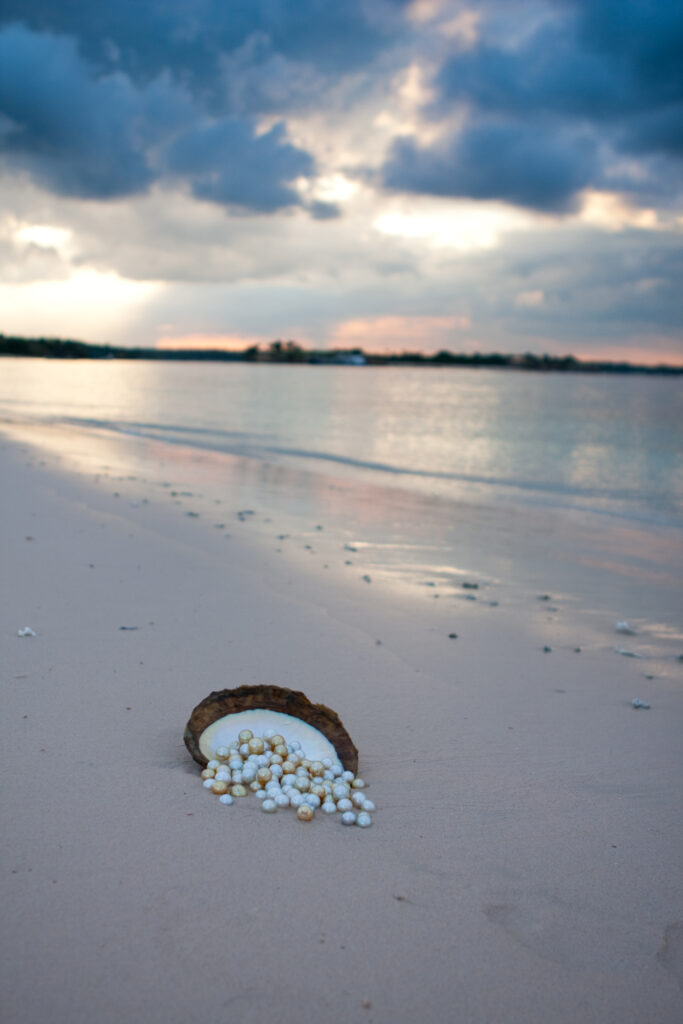
Pearl colour is influenced first by the species of oyster and then by a combination of biological and environmental factors. Pinctada maxima produces colours ranging from white and ivory through silver, blue and rich gold. The Black pearl producing oysters, Pinctada margaritifera, can produce incredible greens, greys, aubergines, blues and peacock tones. Then you have overtone, or hue, which adds another dimension in beautiful pink, blue or green tones. White is historically very popular, but the most valuable because pearl value is never determined by colour alone. Market demand also changes over time and differs between countries. The truly exceptional pearls are those where extraordinary natural colour is combined with exceptional lustre, surface, shape and size. When all of those characteristics come together in one pearl, that is when you have something very rare.
Can a flaw or imperfection in a pearl become its strength or even part of its value?
Absolutely. Pearls come from a living organism, so I think it is important not to judge them with the same mentality we might apply to a manufactured object. A flawless surface is extremely rare. Small natural characteristics can become part of a pearl’s identity, and we like to call the natural imperfections as beauty marks. There is obviously a difference between an imperfection that materially affects quality and a characteristic that gives a pearl personality. With baroque pearls in particular, a contour, mark or irregularity can be exactly what attracts a designer to that pearl.
Irregular and baroque pearls have been gaining popularity in recent years. How does AUTORE view these forms today?
I personally love them. For a long time, consumers were taught to think that round automatically meant best. Perfectly round pearls are rare and technically difficult to produce, which is why they command a premium, but that does not mean a baroque pearl is less beautiful. Baroque pearls give designers enormous creative freedom because sometimes the shape of the pearl itself dictates the design. People increasingly appreciate individuality and things that feel unique rather than completely uniform. A baroque pearl is genuinely one of a kind. There will never be another pearl with precisely the same shape and character.
During a pearl course I attended in 2017, I realized just how extraordinary it is to create a classic pearl strand with perfectly matching diameter, color, and luster. Could you explain what goes on behind the scenes of that process?
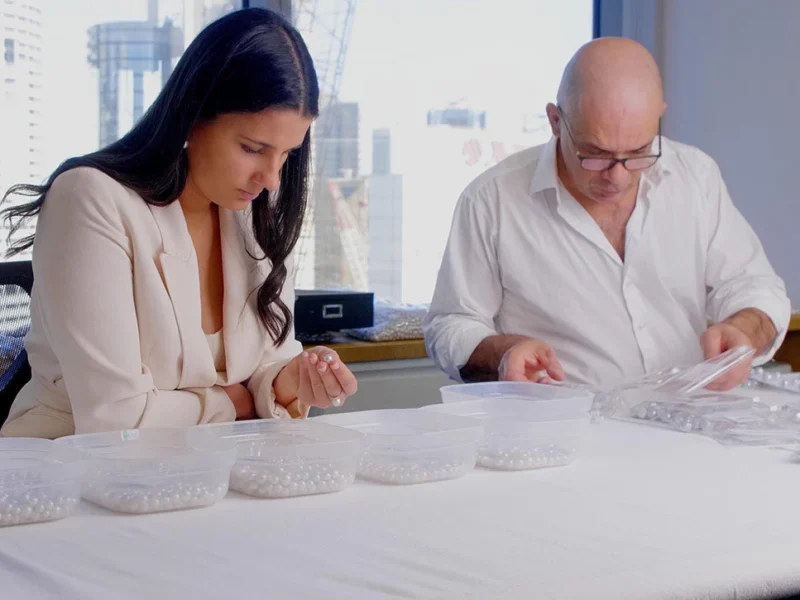
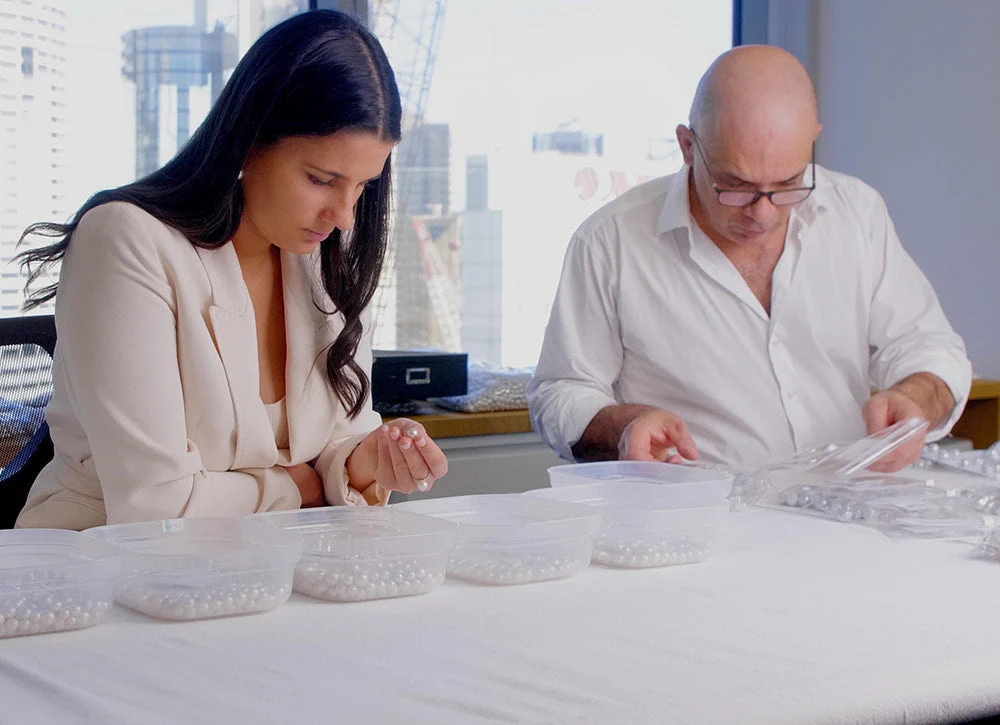
This is something people often underestimate. Creating a strand is not simply about finding 40 beautiful pearls. It is about finding approximately 40 beautiful pearls that look as though they belong to the same family. They need to match or graduate beautifully in size, but they also need to relate to one another in body colour, overtone, lustre, shape and surface quality. You can have an exceptional individual pearl that simply does not work within a particular strand.
At our Sydney headquarters, pearls are continually graded and sorted into increasingly specific categories. A strand will ultimately be selected from thousands of pearls before we arrive at the final combination. That is why a truly exceptional South Sea pearl strand is such a remarkable piece of jewellery. What looks beautifully simple on the finished necklace actually represents an enormous amount of selection, grading, expertise and time.
__
About AUTORE
AUTORE is a family-owned luxury fine jewellery house based in Sydney, Australia, specializing in South Sea pearl farming and award-winning design. Founded by Rosario Autore, the company has established itself as a leader in the global pearl industry, recognized for uncompromising quality, exceptional lustre, and continuous innovation.